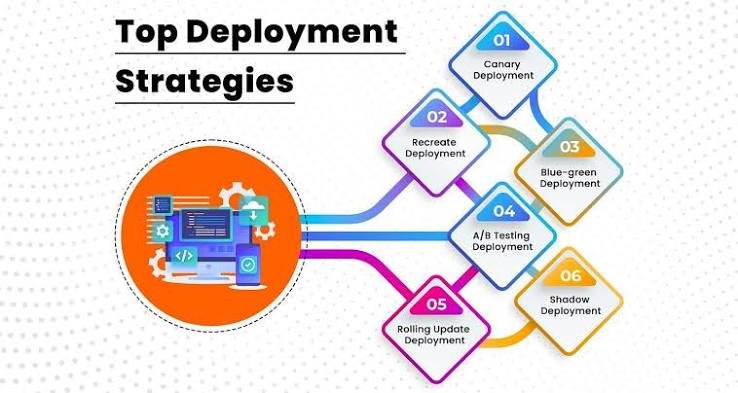
Cloud Deployment has become an important part of modern technology. From small websites to large business applications, organizations are moving their workloads from traditional servers to cloud-based environments. The main reason is simple: cloud platforms can provide flexibility, scalability, accessibility, and powerful computing resources without requiring companies to maintain all of their own physical infrastructure.
But what exactly is Cloud Deployment, how does it work, and which deployment model should a business choose? In this guide, we will explain everything in simple language so beginners, developers, and business owners can understand the concept.
What Is Cloud Deployment?
Cloud Deployment is the process of placing an application, website, database, software, or other digital resources into a cloud computing environment so that users can access them through the internet or a private network.
Instead of running an application entirely on a physical computer or company-owned server, organizations can use cloud infrastructure provided by cloud service providers. These providers offer computing power, storage, networking, databases, security tools, and other services.
For example, a company may develop an online shopping application and deploy it to the cloud. Once deployed, customers can access the application from different locations while the company can increase or decrease computing resources according to demand.
Cloud Deployment is not limited to large organizations. Startups, freelancers, educational institutions, developers, and small businesses can also use cloud services for websites, applications, file storage, backups, and business systems.
How Does Cloud Deployment Work?
The Cloud Deployment process usually starts with an application or workload that needs to be hosted. Developers prepare the application and select the appropriate cloud environment.
The application is then uploaded or released to cloud infrastructure. Depending on the technology being used, the deployment may involve virtual machines, containers, serverless platforms, databases, storage systems, and networking services.
Once the application is deployed, users can access it through the internet. Cloud management tools allow administrators and developers to monitor performance, manage resources, update software, and respond to problems.
Automation is another important part of modern deployment. Organizations can use deployment pipelines to automatically test and release new versions of an application. This can reduce manual work and make software updates faster and more consistent.
Types of Cloud Deployment Models
There are several major Cloud Deployment models. Each model has different characteristics and is suitable for different business requirements.
1. Public Cloud
A public cloud provides computing resources through a third-party cloud provider. Multiple customers can use the provider’s infrastructure while their data and applications remain logically separated.
Public cloud environments are popular because businesses generally do not need to purchase and maintain physical servers themselves. They can select the resources they need and scale them as their requirements change.
This model is often useful for websites, applications, development projects, testing environments, and businesses that want to start quickly.
2. Private Cloud
A private cloud is designed for the exclusive use of one organization. It may be hosted inside the organization’s own data center or managed by an external provider.
Private Cloud Deployment can provide greater control over infrastructure and security configurations. It may be particularly useful for organizations with strict regulatory, security, or operational requirements.
However, private cloud environments can require more planning, technical expertise, and investment than many public cloud solutions.
3. Hybrid Cloud
Hybrid cloud combines private and public cloud environments. An organization can keep certain workloads in a private environment while using public cloud resources for other applications.
For example, a company might keep sensitive internal systems in a private environment while deploying its public-facing website to a public cloud.
Hybrid Cloud Deployment can provide flexibility, but managing multiple environments can also introduce additional complexity.
4. Multi-Cloud
Multi-cloud means using cloud services from more than one provider. An organization might use different providers for different applications or services.
A multi-cloud strategy can help organizations avoid depending entirely on one provider. It may also allow teams to select specific services based on performance, location, features, or cost.
However, operating across multiple cloud platforms requires strong management, monitoring, security, and technical skills.
Benefits of Cloud Deployment
Cloud Deployment offers several advantages when it is planned and managed correctly.
Scalability
One of the biggest benefits is scalability. Businesses can increase resources when demand rises and reduce them when demand falls.
For example, an online store may need additional computing capacity during a major sales event. Cloud infrastructure can make it easier to handle temporary increases in traffic.
Cost Flexibility
Traditional infrastructure often requires businesses to purchase servers and other hardware in advance. Cloud services can provide a different approach, allowing organizations to pay for resources according to their usage and service model.
This can be particularly helpful for startups and growing businesses that do not want to make large hardware investments at the beginning.
Faster Deployment
Cloud platforms can allow teams to create infrastructure and deploy applications much faster than traditional hardware-based approaches.
Developers can use preconfigured services, automation tools, templates, and deployment pipelines to reduce repetitive tasks.
Accessibility

Cloud-hosted applications can generally be accessed from different locations as long as users have the required network connection and permissions.
This can support remote teams and organizations with employees or customers in different regions.
Backup and Recovery
Cloud environments can provide tools for backups, replication, monitoring, and disaster recovery. These capabilities can help organizations protect important information and restore services after certain types of failures.
However, businesses should still create a proper backup and recovery strategy rather than assuming that every cloud service automatically protects all data.
Challenges of Cloud Deployment
Although Cloud Deployment provides many advantages, it also introduces challenges.
Security
Moving applications and data to the cloud requires careful security planning. Organizations need to protect accounts, credentials, networks, applications, databases, and stored information.
Strong passwords, multi-factor authentication, access controls, encryption, monitoring, and regular security reviews can help reduce risks.
Cost Management
Cloud resources can become expensive when they are not monitored properly. Unused virtual machines, excessive storage, unnecessary data transfers, and poorly configured services can increase monthly expenses.
Businesses should monitor usage regularly and establish budgets and cost-management policies.
Downtime and Availability
Cloud providers generally offer highly available infrastructure, but no system should be assumed to be completely immune to failures.
Organizations should understand service availability, create backup strategies, and design applications appropriately for their reliability requirements.
Technical Complexity
Cloud environments contain many services and configuration options. Teams may need knowledge of networking, security, databases, containers, operating systems, automation, and application architecture.
For this reason, businesses should choose technologies that match their team’s skills and actual requirements.
Steps for a Successful Cloud Deployment
A successful Cloud Deployment usually starts with proper planning.
Step 1: Define Your Requirements
First, identify what needs to be deployed. Consider application requirements, expected traffic, storage needs, security requirements, budget, and performance goals.
Step 2: Choose the Right Cloud Model
Decide whether public, private, hybrid, or multi-cloud infrastructure is appropriate for the project.
The best choice depends on the organization’s technical, financial, security, and operational requirements.
Step 3: Select Suitable Services
Choose the cloud services needed for the application. These may include computing, storage, databases, networking, monitoring, identity management, and security tools.
Avoid selecting unnecessary services simply because they are available.
Step 4: Test Before Going Live
Testing should be performed before the production deployment. Teams should check application functionality, performance, security, compatibility, and failure scenarios.
Step 5: Automate the Deployment
Automation can make deployments more reliable. Continuous integration and continuous deployment practices can help teams test and release software in a controlled way.
Step 6: Monitor the Environment
After deployment, monitor application performance, resource usage, errors, security events, and costs.
Monitoring can help teams identify problems before they become major issues.
Cloud Deployment and Modern Businesses
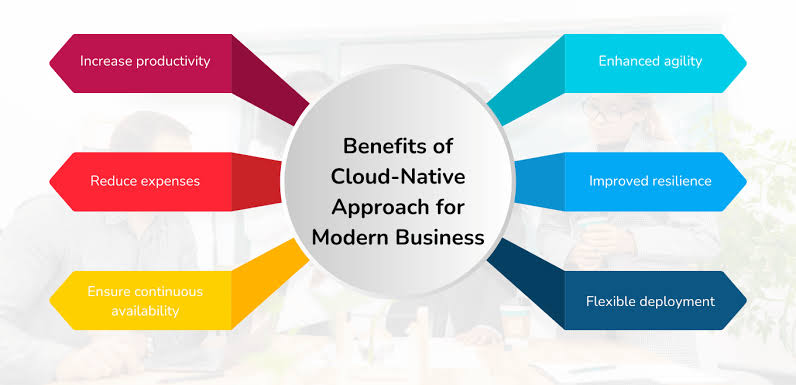
Cloud Deployment has changed how businesses build and operate digital services. A company no longer needs to depend entirely on physical infrastructure to launch an application or online service.
A small business can start with limited resources and expand its infrastructure as its customer base grows. Developers can create testing environments without purchasing additional physical machines. Larger organizations can deploy applications across multiple regions and use advanced cloud services to support complex workloads.
The key is not simply moving everything to the cloud. Effective Cloud Deployment requires an understanding of business objectives, application architecture, security, cost, performance, and long-term management.
Final Thoughts
Cloud Deployment is an important technology concept for organizations that want flexible and scalable infrastructure. It allows applications, websites, databases, and other workloads to run in cloud environments rather than relying entirely on traditional physical servers.
Public, private, hybrid, and multi-cloud models provide different options for different requirements. At the same time, businesses must pay attention to security, costs, monitoring, reliability, and technical complexity.
For beginners, the best approach is to start with a clear understanding of the application’s requirements and then select a cloud architecture that matches those needs. With careful planning, testing, automation, and continuous monitoring, Cloud Deployment can become a powerful foundation for modern digital services.