The healthcare industry has always depended on accurate information to provide better treatments and improve patient outcomes. However, the amount of healthcare data being generated today is growing faster than ever. Medical records, diagnostic images, wearable devices, research studies, and patient information create massive amounts of data every day.
Managing and understanding this data has become a major challenge. This is where data science in healthcare is transforming the industry.
Data science combines artificial intelligence, machine learning, statistics, and advanced analytics to analyze complex medical information and discover valuable insights. Healthcare organizations are using data science to improve diagnosis, develop better treatments, reduce costs, and provide more personalized patient care.
In 2026, data science has become one of the most powerful technologies helping healthcare professionals make faster and smarter decisions.
This article explores the benefits of data science in healthcare and its future possibilities.
What Is Data Science in Healthcare?
Data science in healthcare refers to the use of advanced data analysis techniques to collect, process, and interpret medical information.
Healthcare data scientists use technologies such as:
- Artificial intelligence
- Machine learning
- Predictive analytics
- Big data processing
- Data visualization
to identify patterns and provide insights that support doctors, researchers, and healthcare organizations.
For example, data science can help predict disease risks, analyze medical images, recommend treatments, and improve hospital operations.
Why Is Data Science Important in Healthcare?
Healthcare generates enormous amounts of data from different sources, including:
- Electronic health records (EHRs)
- Medical imaging systems
- Laboratory reports
- Genetic information
- Wearable devices
- Patient monitoring systems
Without advanced tools, it is difficult for healthcare professionals to analyze this information effectively.
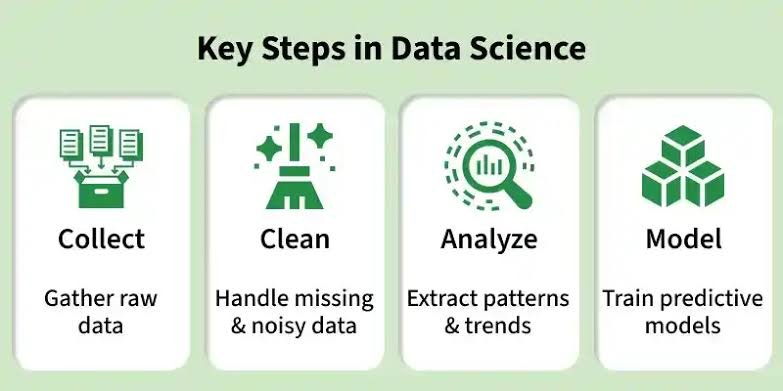
Data science helps transform raw healthcare data into meaningful knowledge that can improve patient care and medical decision-making.
1. Faster and More Accurate Disease Diagnosis
One of the biggest benefits of data science in healthcare is improving disease diagnosis.
Traditional diagnosis often depends on manual analysis, which can take time. Data science and artificial intelligence can analyze medical information quickly and identify possible health problems.
Machine learning models can help detect:
- Cancer
- Heart diseases
- Diabetes
- Neurological disorders
- Infections
For example, AI-powered systems can analyze medical images such as X-rays and MRI scans to help doctors identify abnormalities more accurately.
2. Personalized Healthcare and Treatment
Every patient is different, and treatments that work for one person may not work for another.
Data science enables personalized healthcare by analyzing individual patient information, including:
- Medical history
- Genetics
- Lifestyle
- Previous treatments
- Health conditions
Doctors can use these insights to create treatment plans designed specifically for each patient.
This approach improves treatment effectiveness and reduces unnecessary procedures.
3. Predicting Disease Risks
Predictive analytics is one of the most valuable applications of data science in healthcare.
By analyzing historical medical data, algorithms can predict the possibility of future health problems.
Healthcare providers can identify:
- High-risk patients
- Early warning signs
- Potential complications
Early detection allows doctors to take preventive actions before conditions become serious.
4. Improving Medical Research and Drug Development
Developing new medicines traditionally requires many years of research and testing.
Data science is helping researchers speed up this process by analyzing large amounts of medical and biological data.
Scientists use data science for:
- Discovering new drug possibilities
- Studying diseases
- Analyzing clinical trials
- Understanding genetic information
Artificial intelligence can identify patterns that humans may not easily discover.
5. Better Patient Monitoring
Wearable technology and smart devices are creating new opportunities for healthcare monitoring.
Devices such as:
- Smart watches
- Health trackers
- Remote monitoring devices
collect real-time health information.
Data science analyzes this information to track:
- Heart rate
- Physical activity
- Sleep patterns
- Blood pressure
Doctors can monitor patients remotely and respond quickly when problems appear.
6. Reducing Healthcare Costs
Healthcare costs continue to increase worldwide. Data science helps organizations reduce expenses by improving efficiency.
Hospitals can use data analysis to:
- Optimize resources
- Reduce unnecessary tests
- Improve patient management
- Prevent medical complications
By identifying problems earlier, healthcare providers can save both time and money.
7. Improving Hospital Operations
Hospitals manage thousands of patients, employees, and resources every day.
Data science helps improve hospital management by analyzing operational data.
Applications include:
- Patient scheduling
- Staff management
- Emergency room optimization
- Inventory management
Better organization allows hospitals to provide faster and more effective services.
8. Enhancing Medical Imaging
Medical imaging is one of the areas where data science has made significant progress.
AI-based systems can analyze images from:
- X-rays
- CT scans
- MRI scans
- Ultrasounds
These systems help doctors detect diseases earlier and improve diagnostic accuracy.
Data science tools can identify small changes that may be difficult for humans to notice.
9. Supporting Telemedicine
Telemedicine has become increasingly popular, especially with the growth of digital healthcare services.
Data science helps improve telemedicine by analyzing patient information collected through online consultations.
Benefits include:
- Remote diagnosis support
- Better patient tracking
- Faster healthcare access
- Improved communication
This makes healthcare services available to more people, especially in remote areas.
10. Strengthening Healthcare Security
Healthcare organizations store sensitive patient information, making cybersecurity extremely important.
Data science helps protect healthcare systems by detecting unusual activities and preventing security threats.
Applications include:
- Fraud detection
- Data protection
- Access monitoring
- Cyber threat analysis
Protecting patient data is a major priority as healthcare becomes more digital.
Future Possibilities of Data Science in Healthcare
The future of healthcare will become even more connected and intelligent with the advancement of data science.
Some exciting possibilities include:
AI-Powered Virtual Healthcare Assistants
Future healthcare systems may use intelligent assistants to help patients with:
- Health questions
- Appointment scheduling
- Medication reminders
- Basic health guidance
These tools can improve access to healthcare services.
Advanced Disease Prediction
Future data science systems may predict diseases before symptoms appear.
By analyzing genetic information, lifestyle data, and medical history, healthcare providers may identify health risks much earlier.
Robotic Healthcare Solutions
Data science will continue improving medical robotics.
Robots may assist doctors with:
- Surgical procedures
- Patient care
- Rehabilitation
- Medical research
Real-Time Health Monitoring
Future wearable devices will collect even more detailed health information.
Data science will analyze this data instantly and provide early warnings about potential health issues.
Precision Medicine
Precision medicine will become more advanced as data science improves.
Doctors may use detailed patient data to create highly customized treatments with better results and fewer side effects.
Challenges of Data Science in Healthcare
Although data science offers many benefits, there are also challenges.
Data Privacy
Healthcare data is highly sensitive and must be protected from misuse.
Data Quality
Incorrect or incomplete information can affect analysis results.
Ethical Concerns
Healthcare organizations must ensure AI and data systems are used fairly and responsibly.
Technology Costs
Implementing advanced data science systems may require significant investment.
Addressing these challenges will be important for the future success of healthcare data science.
The Role of Artificial Intelligence in Healthcare Data Science
Artificial intelligence is closely connected with healthcare data science.
AI helps healthcare professionals:
- Analyze medical images
- Predict diseases
- Automate tasks
- Improve decision-making
The combination of AI and data science is creating a smarter healthcare system that is faster, more accurate, and more personalized.
Conclusion
Data science in healthcare is transforming the way medical professionals diagnose diseases, treat patients, and manage healthcare systems.
From personalized treatments and early disease prediction to medical research and remote monitoring, data science is creating new possibilities for better healthcare.
In 2026 and beyond, the combination of data science, artificial intelligence, and advanced analytics will continue shaping the future of medicine.
Healthcare organizations that successfully adopt data-driven technologies will be better equipped to provide faster, safer, and more effective care for patients around the world.