



Introduction
Skin health depends on many daily habits. One of the most important habits is sleep. Many people focus on creams, face wash, and treatments, but ignore rest. Sleep gives the body time to repair cells, balance hormones, and support skin recovery. When sleep is poor, skin often shows the first signs.
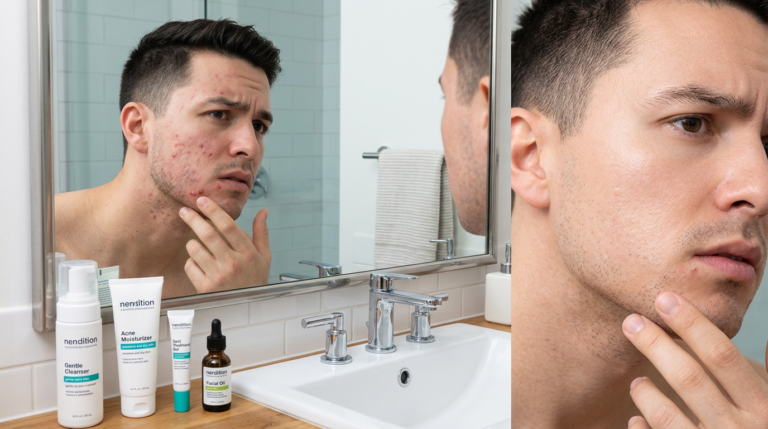
Dark circles, dull tone, breakouts, dryness, and swelling can appear after a few nights of poor sleep. Long-term sleep loss may also speed up signs of aging and weaken the skin barrier. Good sleep can improve tone, texture, hydration, and healing.
This guide explains how sleep affects your skin health, why rest matters, and how to build sleep habits that support clear skin.
Why Sleep Matters for Skin
During sleep, the body enters repair mode. Blood flow to the skin increases, cells renew, and damage from the day begins to heal. This process helps maintain skin strength and balance.
Sleep supports:
- Cell renewal
- Collagen production
- Moisture balance
- Hormone control
- Reduced stress response
- Faster healing
- Better skin tone
Without enough sleep, these functions slow down.
How Poor Sleep Changes Your Skin
Lack of sleep can affect the skin in several ways.
1. Dark Circles Under Eyes
When you do not sleep enough, blood vessels under the eyes may become more visible. This can create dark circles and tired-looking eyes.
2. Puffiness
Poor sleep may cause fluid retention around the eyes and face. This often leads to swelling in the morning.
3. Dry Skin
Sleep helps maintain hydration. Low sleep can weaken the skin barrier, allowing water loss.
4. Breakouts
Poor sleep may raise stress hormones. This can increase oil production and clogged pores.
5. Uneven Tone
When skin repair slows, the face may look dull or uneven.
6. Fine Lines
Long-term sleep loss can reduce collagen support, which may lead to early lines.
The Role of Collagen During Sleep
Collagen helps skin stay firm. During sleep, the body supports collagen production and repair. When sleep is poor for long periods, collagen breakdown may increase.
This matters because collagen loss can lead to:
- Loose skin
- Fine lines
- Reduced firmness
- Slower healing
Good sleep helps support collagen maintenance over time.
Hormones, Sleep, and Skin
Hormones play a major role in skin health. Sleep helps regulate these hormones.
Cortisol
Poor sleep can raise cortisol levels. High cortisol may trigger oil production, inflammation, and breakouts.
Growth Hormone
Growth hormone supports repair and renewal. Much of it is released during deep sleep.
Insulin Balance
Sleep loss may affect blood sugar control, which can influence acne and inflammation.
Skin Barrier and Sleep
The skin barrier protects against water loss, pollution, and irritation. During sleep, the barrier repairs itself.
When sleep is low, you may notice:
- Tightness
- Flaking
- Redness
- Sensitivity
- Irritation after products
Better sleep can help strengthen the barrier.
How Much Sleep Is Best for Skin
Most adults need 7 to 9 hours of sleep each night. Some need more, some less, but regular rest is key.
Consistency matters as much as total hours. Sleeping at random times may affect body rhythms and skin repair.
Best Sleep Habits for Better Skin
Keep a Fixed Sleep Schedule
Go to bed and wake up at the same time each day. This supports body rhythm.
Clean Your Skin Before Bed
Remove dirt, sunscreen, and makeup before sleep. Clean skin can recover better overnight.
Use a Light Moisturizer
Hydration before bed can support the skin barrier.
Avoid Screens Before Sleep
Phone and TV light may delay sleep.
Keep the Room Cool and Dark
A calm sleep setting may improve sleep quality.
Limit Late Caffeine
Coffee or tea late in the day may affect rest.
Manage Stress Before Bed
Use breathing, reading, or quiet time.
Foods That Support Sleep and Skin
Some habits can support both rest and skin health.
- Water during the day
- Balanced meals
- Nuts and seeds
- Leafy greens
- Yogurt
- Oats
- Bananas
- Herbal tea at night
Avoid heavy meals right before sleep.
Night Skincare and Sleep
Night is a useful time for skincare because the skin is in repair mode.
Good bedtime products may include:
- Gentle cleanser
- Moisturizer
- Niacinamide serum
- Hyaluronic acid
- Retinol if suitable
- Lip balm
Choose products based on your skin type.
Sleep Position and Skin
Sleep position may affect the face.
Back Sleeping
May reduce pressure on facial skin.
Side Sleeping
Can press skin into the pillow.
Pillow Hygiene
Use clean pillowcases and wash them often to reduce oil and dirt buildup.
Signs Your Skin Needs More Sleep
Watch for these signals:
- Tired eyes
- Dull tone
- Breakouts
- Dry patches
- Swelling
- Slow healing marks
- Increased irritation
These signs may improve when sleep improves.
Can You Repair Skin After Poor Sleep?
Yes, one poor night does not cause lasting damage. Recovery can begin with a few nights of good sleep.
Support recovery with:
- Extra hydration
- Gentle skincare
- Early bedtime
- Reduced stress
- Balanced meals
- Daily sunscreen
Common Mistakes That Harm Sleep and Skin
- Sleeping with makeup
- Irregular sleep times
- Using harsh products at night
- Too much sugar late at night
- Stress without coping habits
- Overusing caffeine
- Poor pillow hygiene
Weekly Plan for Better Sleep and Skin
Daily
- Sleep 7 to 9 hours
- Wash face before bed
- Moisturize
- Drink water
- Use sunscreen in morning
Weekly
- Change pillowcase
- Review sleep routine
- Reduce screen time
- Check product reactions
SEO Benefits of Good Search Intent Content
People often search:
- How does sleep affect skin
- Can lack of sleep cause acne
- Best sleep for glowing skin
- Does sleep help wrinkles
- How to remove dark circles from no sleep
This article answers these common questions in a clear format.
Final Thoughts
Sleep is one of the strongest tools for skin health. While skincare products can help, true repair often begins with rest. During sleep, the body restores balance, repairs cells, supports collagen, and strengthens the skin barrier.
If you want clearer skin, fewer breakouts, better tone, and a healthier look, start with your sleep routine. Small changes each night can bring visible results over time.