

Introduction
Dead skin buildup is a common issue for many people. The skin naturally sheds old cells and replaces them with new ones. Sometimes this process slows down, causing rough texture, clogged pores, dull appearance, and dry patches. When old skin cells remain on the surface, the skin may not look fresh or feel smooth.
Many people want to remove dead skin naturally without relying only on strong chemical products. Natural methods can help improve texture and support the skin renewal process when used with care.
This guide explains how to remove dead skin naturally, the best home methods, habits that support healthy skin renewal, and mistakes to avoid.
What Is Dead Skin
The outer layer of the skin is made of cells that rise to the surface over time. These cells eventually dry out and shed. This is a normal process called skin turnover.
When dead skin cells build up, you may notice:
- Rough texture
- Dry flakes
- Dull tone
- Clogged pores
- Uneven appearance
- Thick skin on elbows, knees, or feet
Removing buildup can help skin look smoother and fresher.
Why Dead Skin Builds Up
Several factors can slow skin shedding.
Common Causes
- Dry weather
- Low hydration
- Aging
- Lack of exfoliation
- Harsh soaps
- Sun damage
- Poor skincare habits
- Friction from clothing
Knowing the cause helps you choose the right method.
Benefits of Removing Dead Skin Naturally
Natural exfoliation can support:
- Smoother texture
- Better product absorption
- Cleaner pores
- Improved skin tone
- Softer body skin
- Fresher appearance
The key is gentle and consistent care.
Best Natural Ways to Remove Dead Skin
1. Oatmeal Scrub
Oatmeal can help soften and lightly exfoliate skin.
How to Use
- Grind plain oats
- Mix with water or yogurt
- Apply to skin
- Massage in circles for 1 minute
- Rinse with lukewarm water
Good for face and body.
2. Sugar and Honey Scrub
Sugar provides physical exfoliation while honey supports moisture.
How to Use
- Mix one spoon sugar with honey
- Apply to rough areas
- Massage gently
- Rinse well
Best for body areas like hands, legs, elbows.
3. Coffee Grounds Scrub
Used coffee grounds may help remove rough surface buildup.
How to Use
- Mix grounds with coconut oil
- Apply on body skin
- Massage gently
- Wash off
Avoid use on sensitive facial skin.
4. Yogurt Mask
Yogurt contains lactic acid, which may help loosen dead skin.
How to Use
- Apply plain yogurt to face
- Leave for 10 minutes
- Rinse gently
Use once or twice weekly.
5. Soft Washcloth Exfoliation
A soft damp cloth can remove surface flakes.
How to Use
- Wet cloth with warm water
- Rub skin in light circles
- Moisturize after use
Useful for face and body.
6. Dry Brushing for Body Skin
Dry brushing may help remove surface buildup and improve circulation.
How to Use
- Use a soft body brush
- Brush toward the heart
- Use before shower
- Moisturize after bathing
Use only on body skin.
Best Natural Oils After Exfoliation
After removing dead skin, apply moisture support.
Good Options
- Coconut oil
- Olive oil
- Almond oil
- Jojoba oil
- Shea butter
These help prevent dryness after exfoliation.
How Often Should You Exfoliate
Too much exfoliation can damage the skin barrier.
General Guide
- Face: 1 to 2 times weekly
- Body: 2 to 3 times weekly
- Feet/elbows: as needed
Adjust based on skin sensitivity.
Natural Face Routine for Dead Skin Removal
Weekly Routine
- Cleanse face
- Use oatmeal scrub or yogurt mask
- Rinse gently
- Apply moisturizer
- Use sunscreen next day
Natural Body Routine for Dead Skin Removal
Shower Routine
- Use mild soap
- Exfoliate with sugar or coffee scrub
- Rinse well
- Pat dry
- Apply lotion or body oil
Dead Skin on Specific Areas
Elbows and Knees
Use sugar scrub and thick cream.
Feet
Soak feet in warm water, scrub with pumice stone, apply cream.
Lips
Use soft toothbrush or sugar with honey, then apply lip balm.
Habits That Prevent Dead Skin Buildup
- Drink water daily
- Moisturize after shower
- Use mild cleansers
- Avoid hot water
- Wear sunscreen
- Eat balanced meals
- Exfoliate gently and regularly
Mistakes to Avoid
- Scrubbing too hard
- Using lemon directly on skin
- Exfoliating broken skin
- Daily harsh scrubbing
- Skipping moisturizer
- Using dirty tools
- Picking dry flakes by hand
These can irritate or damage skin.
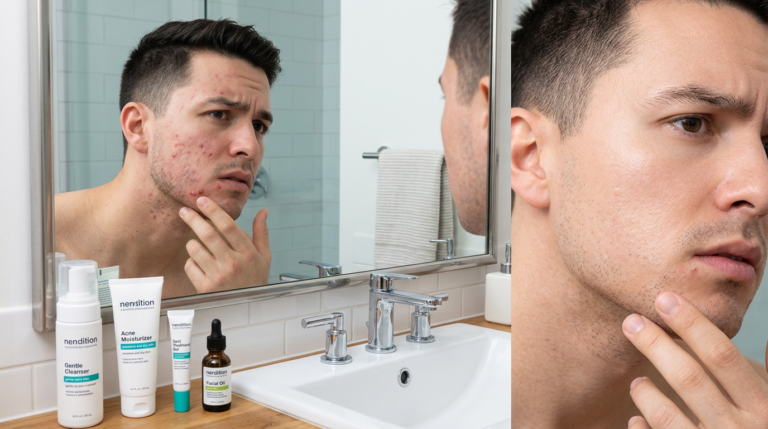
Can Natural Methods Help Acne-Prone Skin
Yes, but choose gentle methods. Harsh scrubs may worsen acne.
Better options:
- Yogurt mask
- Soft cloth exfoliation
- Mild oatmeal paste
If acne is severe, seek medical advice.
Signs You Are Over-Exfoliating
Stop exfoliation if you notice:
- Redness
- Burning
- Tightness
- Peeling
- Increased sensitivity
- Breakouts after irritation
Let skin recover and moisturize well.
Weekly Skin Renewal Plan
Daily
- Wash gently
- Moisturize
- Use sunscreen
- Drink water
Weekly
- Exfoliate 1 to 2 times
- Replace towels
- Review product reactions
SEO Questions People Search
- How to remove dead skin naturally
- Best homemade scrub for dead skin
- How to exfoliate face naturally
- How to remove rough skin at home
- Natural remedies for dead skin cells
This guide answers common search intent clearly.
Final Thoughts
Learning how to remove dead skin naturally can improve texture, softness, and overall skin appearance. The best approach is gentle care, not aggressive scrubbing. Oatmeal, yogurt, sugar scrubs, soft cloths, and body brushing can all help when used properly.
Combine exfoliation with hydration, moisturizing, and daily sun protection. Consistent care supports smooth and healthy skin over time.